Nowadays, we’re seeing that the illicit drug supply rarely remains predictable. Just when families, friends, and people in treatment with us at St. Gregory Recovery Center begin to understand one dangerous substance, another seems to take shape, and new questions—and risks—seem to multiply.
That’s why this article exists: to help you understand a substance called tranq, recognize its potential warning signs, and feel a little more prepared to protect yourself or someone you care about as you navigate recovery.
From Veterinary Sedative to Tranq: The Evolving Overdose Emergency
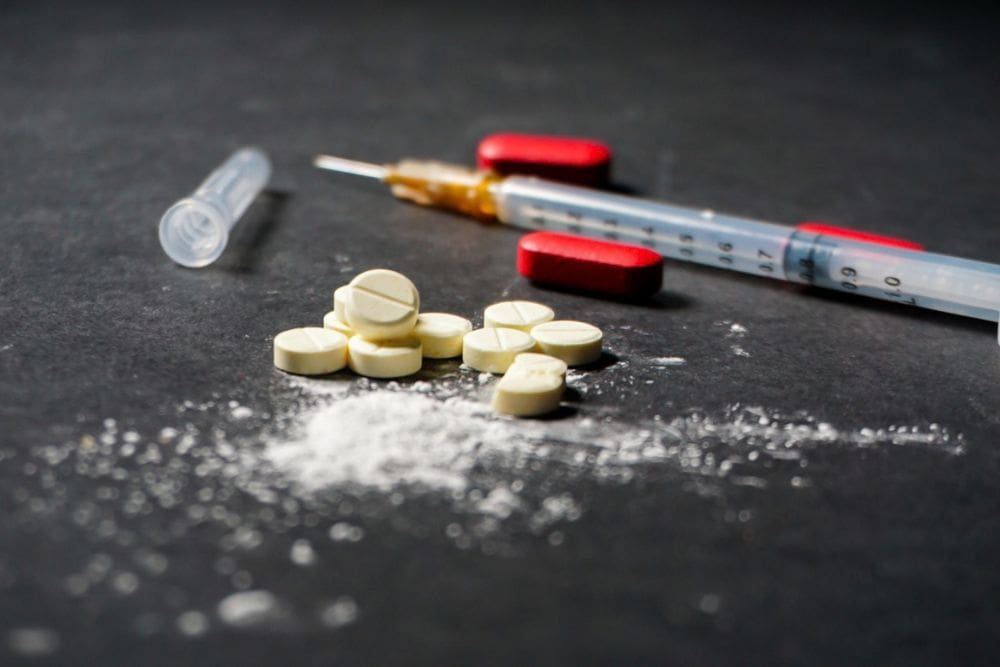
Tranq is a common street name for xylazine, a medication that veterinarians use as a sedative, pain reliever, and muscle relaxant for animals. It isn’t an opioid, but street suppliers often mix it into illicit opioids, particularly fentanyl. People may encounter it through powders, pills, injections, inhalation, or other forms without realizing it.
That’s why tranq has gained notoriety in recent years, but it’s been on the government’s radar for decades. According to the National Institute on Drug Abuse, xylazine first appeared in the North American illicit drug supply during the early 2000s. Between 2019 and 2022, the presence of xylazine more than doubled across 30 states, and the percentage of fentanyl-related overdose deaths involving xylazine increased. And since we know at least one study suggests that it was involved in nearly 5% of overdoses in Michigan in 2023, researchers are diligently monitoring how xylazine influences overdose outcomes, especially when it interacts with fentanyl.
If you notice any of the following xylazine effects, contact emergency services immediately:
- Noticeable sleepiness and slowed responsiveness. Your loved one might fight to stay awake, behave unusually detached from their surroundings, or struggle to respond in mid-conversation.
- Slower breathing and heart function. Someone may appear physically slowed down, breathe more shallowly than usual, or seem unable to wake up.
- Painful skin and tissue wounds. Some people develop painful sores that don’t heal. In certain cases, they may even become infected and require hospitalization.
What to Know About Tranq’s Growing Presence
If you live in Des Moines, Bayard, or elsewhere in Iowa, tranq isn’t somebody else’s problem; it’s here. Iowa officials report confirmed detections of xylazine in different illicit drugs within the state and expect its presence to grow over time, which means families may increasingly encounter it in substances that also contain fentanyl, heroin, cocaine, or other stimulants.
Tranq Harm Reduction Strategies While Working Toward Recovery
As researchers work to learn more about tranq and recovery centers, support communities, and local governments across the nation fight against the overdose crisis, you can also take steps to protect yourself and any loved ones battling opioid use disorder (OUD). If you’re trying to reduce your opioid use, that’s still a win—and you can take precautions.
As you work toward the ideal long-term goal of abstinence, every safer choice you make today may create more opportunities to pursue lasting recovery tomorrow.
- Keep naloxone within reach. Quick action with naloxone during a suspected overdose could save a life. Even though it’s not designed to combat xylazine specifically, it can help counteract the effects of fentanyl or other opioids that it’s mixed with.
- Use available testing tools. Xylazine test strips and drug-checking services may provide more information about what a substance contains before you use it, cutting down on uncertainty and helping you make safer choices.
- Avoid sharing injection equipment. Sterile syringes may help lower the risk of infections and other serious health complications associated with reused substance-use equipment.
- Pay attention to wounds early. A small sore that seems manageable today may become much more serious later. Monitoring wounds closely and seeking medical care when they worsen may help prevent larger complications.
- Connect with residential treatment when possible. If opioid use continues to place your health at risk, residential treatment in Bayard may provide distance from an increasingly unpredictable drug supply while surrounding you with structure, support, and recovery-focused care.
Recovery Resources and Ongoing OUD Support
Tranq illustrates how quickly the drug supply can change, why it’s become a growing concern in Iowa, and what practical steps may help reduce risk while you work toward recovery from opioid use disorder (OUD). If you remember one thing from this article, remember to keep naloxone nearby and use it during suspected overdoses before calling emergency services—you won’t be penalized.
If you’d like to learn more about recovery, substance use disorder (SUD) treatment, and staying safe during the healing process, explore our recovery blog or contact us for additional guidance and support.