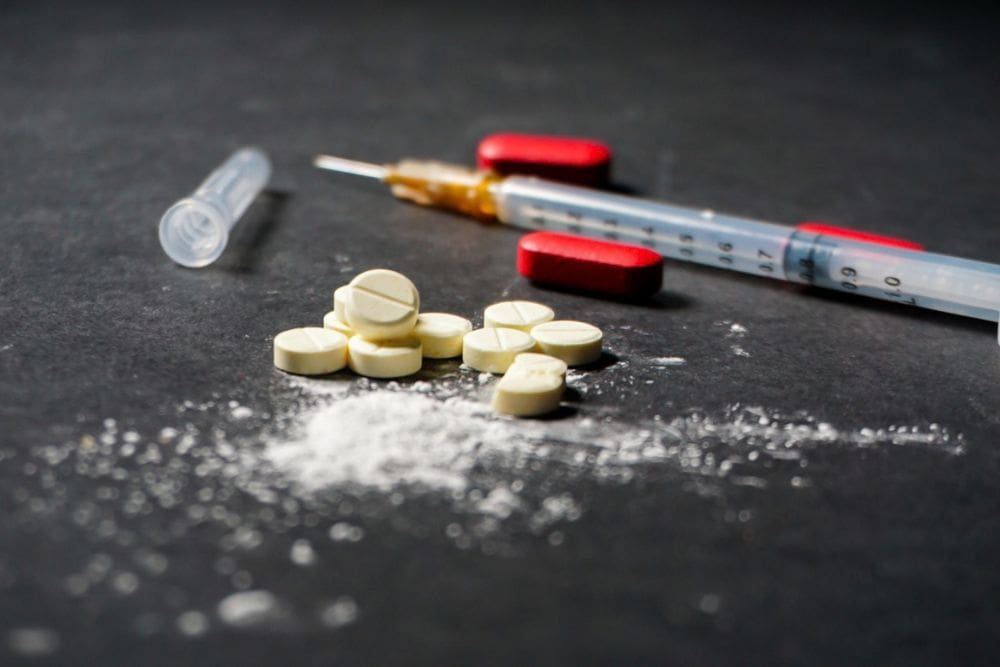
What do Parkinson’s disease, diabetes, sleep apnea, and substance use disorder (SUD) have in common? At first glance, probably not much. Yet researchers continue to uncover surprising connections between how the brain processes reward, craving, and behavior across these different health conditions.
That’s part of what makes glucagon-like peptide-1 medications, often called GLP-1s, so interesting. GLP-1 drugs first entered the public conversation because of diabetes treatment and weight management, but researchers now wonder whether they could eventually play a role in substance recovery as well.
The Context
Food Tank notes that some experts believe GLP-1s could help shift public conversations away from stigmatizing complex health conditions like obesity and diabetes and toward understanding the larger biological and environmental factors involved with those diseases.
So, just as researchers increasingly recognize that highly processed foods can influence food cravings in ways powerful enough to warrant the use of GLP-1s, seeing those same drugs used in a recovery context may help people to view SUD through a broader public health lens rather than as a personal failure on the part of the individual suffering from it.
GLPs Explained
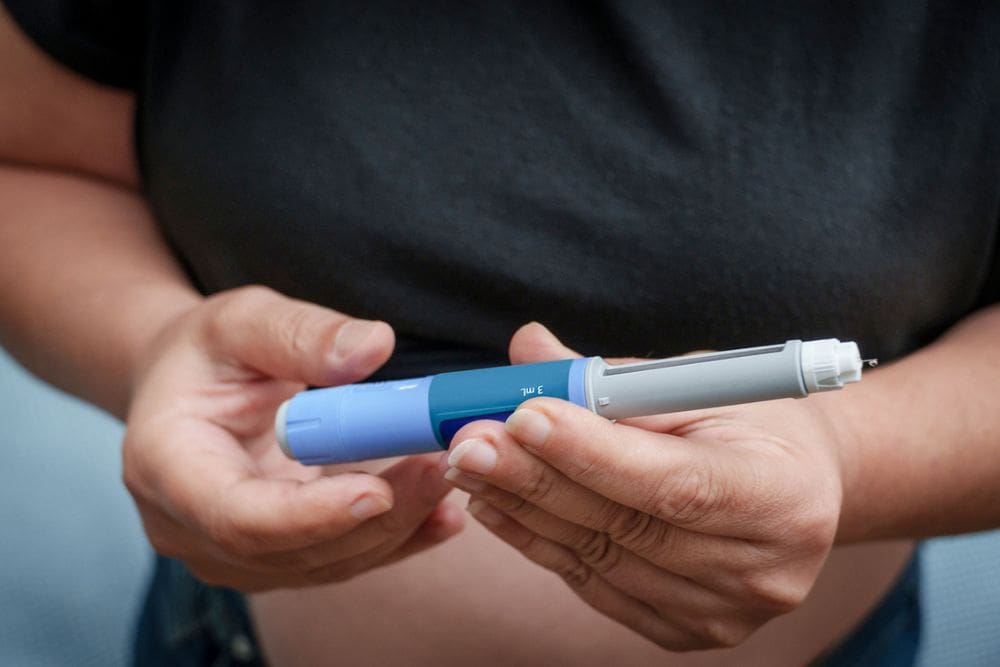
GLP-1s imitate a natural hormone that helps regulate your appetite and blood sugar. Researchers originally developed these medications to help people manage Type 2 diabetes, but doctors now also use some of them for weight management and several other health conditions.
You may recognize names such as Wegovy, Ozempic, Zepbound, or Trulicity. While each medication differs slightly, they generally work through similar pathways.
Some of the ways GLP-1 medications work include:
- Helping you feel full longer. These medications slow how quickly food leaves the stomach, which may help reduce hunger and make food cravings feel less irresistible.
- Supporting blood sugar balance. They help the pancreas release insulin when blood sugar levels rise, helping the body manage glucose more effectively.
- Reducing appetite. Many people report less intense urges to eat, which researchers believe contributes to weight management benefits.
Studies have also found benefits that extend beyond diabetes and weight concerns.
- Heart health support. According to the National Academy of Medicine, GLP-1 medications may lower the risk of serious cardiovascular events in some people.
- Support for other health conditions. Researchers have observed benefits for conditions involving the liver, kidneys, sleep apnea, arthritis, and metabolic health.
- Improved quality of life. Some studies associate GLP-1 use with better mental well-being and day-to-day functioning.
As researchers continue to learn more about these medications, their growing list of potential benefits has sparked interest across many areas of medicine, even at different stages of recovery care.
The Role GLPs Could Play in Recovery
Recovery often involves learning how to navigate cravings, triggers, and everyday stress without substances. That’s why recent findings about GLP-1 medications have generated so much attention within the recovery community.
Researchers at Washington University School of Medicine analyzed health records from more than 600,000 veterans with Type 2 diabetes and found that GLP-1 use correlated with lower rates of SUD and fewer serious substance-related issues. The findings were nothing short of astounding, showing that these medications could all reduce substance use, although some substances were reduced less than others.
Here’s a quick explanation of the findings:
- Alcohol use disorder. The researchers found an 18% lower risk of developing alcohol use disorder (AUD) among GLP-1 users compared to people taking another diabetes medication. Earlier observations also noted that some patients reported less interest in drinking while taking GLP-1 medications.
- Nicotine use. The study identified a 20% lower risk of developing nicotine-related SUDs. Because cravings often drive continued tobacco use, researchers believe the medications may directly influence whether or not you experience an urge to consume a specific substance.
- Opioid use disorder. Researchers observed a 25% lower risk of developing opioid use disorder (OUD). They also found lower rates of overdose and other severe outcomes among people with existing OUD.
- Cannabis use disorder. The study reported a 14% reduction in cannabis-related risk. While researchers still need clinical trials, the findings suggest potential benefits across multiple substances rather than only one.
- Cocaine and stimulant use. Researchers found a 20% lower risk of cocaine-related disorders. This finding has drawn attention because medication options remain limited for some stimulant-related conditions.
Perhaps most promising of all, over three years, GLP-1 use correlated with fewer emergency department visits, hospitalizations, overdoses, and substance-related deaths.
Of course, no medication replaces the work of recovery. Residential treatment, outpatient treatment, recovery support, and cognitive behavioral therapy help people build the skills, structure, and support systems that protect long-term recovery. But GLP-1 medications could eventually become another helpful tool in that larger recovery toolbox.
Enter Future-Forward Recovery in Iowa
GLP-1 medications remain an emerging area of recovery research, but the early findings offer real reason for hope. If future studies continue producing similar results, these medications could help support recovery by reducing cravings and lowering the risk of serious substance-related harms.
At St. Gregory Recovery Center in Iowa, recovery focuses on treating the whole person through evidence-based care, including residential treatment in Bayard, outpatient treatment near Des Moines, and ongoing support wherever you are.
To keep up with the latest recovery trends, treatment developments, and emerging research, continue to explore our recovery blog.