
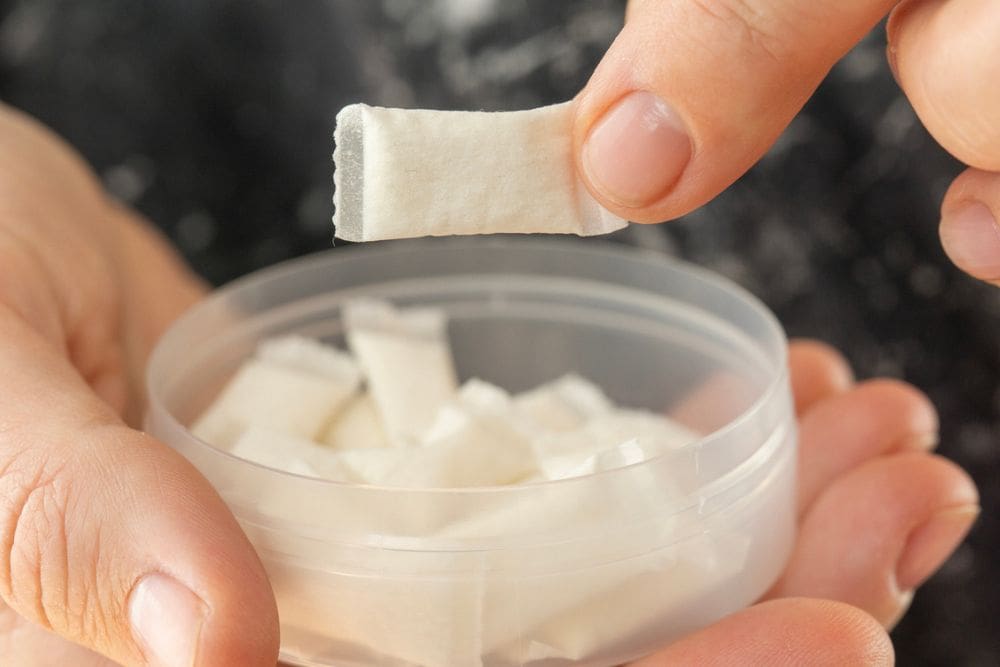
Maybe you’ve set down cigarettes or a vape, and a small pouch tucked under your lip feels like a cleaner, more subtle solution. After all, there’s no smoke or smell, and you can use one almost anywhere. In early recovery, though, any habit you lean on to take the edge off should trigger a little scrutiny.
Below, we explain what pouches are and what research suggests about nicotine during recovery. We’ll also cover how to bring the subject into treatment with us at St. Gregory Recovery Center in Iowa, whether you or your loved one is forming a pouch habit.
What Are Nicotine Pouches, and Why Are They So Popular?
Nicotine pouches are small, tobacco-leaf-free packets of nicotine powder and flavoring that you tuck between your gum and lip. They come in flavors like mint and citrus, and Zyn is one of the best-known brands.
According to a recent national study from Rutgers University, about 2.5% of people 18 and older in the U.S. use nicotine pouches, with use running highest among people who recently quit another tobacco product. Researchers may be interpreting that as a sign that many people use pouches to step away from cigarettes or vapes.
Are Nicotine Pouches Safer Than Cigarettes?
Compared to other tobacco products like cigarettes, nicotine pouches appear to put users at less risk for cancer, according to the FDA’s 2025 review of 20 Zyn products. However, the agency stressed that the review doesn’t mean pouches are safe. In the FDA’s own words, “there is no safe tobacco product.”
Can You Become Dependent on Pouches?
Yes. Pouches still deliver nicotine, the same substance that can get you hooked on cigarettes. The FDA explains that nicotine helps make the brain more susceptible to craving it (just like other substances can cause your brain to become dependent), which may be why you continue to use pouches even after you decide you’d like to cut back.
Why Do So Many People in Early Recovery Use Nicotine?
It’s not entirely clear if many people in recovery also use nicotine, but one 2019 study examining the nicotine habits of 270 people in recovery found that most did, in fact, vape or smoke nicotine products. Perhaps the majority of those people used nicotine because it can be a relatively safe, fast coping method–in the short term. Plus, those people were living in recovery housing, and that’s a period of recovery that can be filled with restless evenings and spikes of stress.
Nicotine isn’t too different from other immediately non-life-threatening coping mechanisms, such as the late-night screen time we covered in our post on doomscrolling. Each habit offers instant, momentary relief, without the more effective, comprehensive, and potentially draining elements of group meetings or one-on-one therapy sessions.
Is Swapping One Substance for Another a Problem?
Not always, though it’s worth watching when the pouch becomes your main way to handle cravings or stress; that’s when a swap can start to resemble the older, more serious pattern. If the same triggers that once sent you toward a drink now send you toward a pouch, that should be questioned in therapy.
How Could Nicotine Affect Your Recovery From Other Substances?
Research on smoking suggests that continued nicotine use may make a return to other substances more likely. A Columbia University study drew on national data from about 35,000 people. Among those with a history of illicit substance use disorder, people who smoked were about twice as likely to return to use within three years.
About 11% of people who kept smoking returned to use, compared with roughly 8% of those who quit. Among people who never smoked, the figure was about 6.5%. These numbers come from cigarettes, so researchers can’t yet say whether pouches bring the same risk.
How Does St. Gregory Recovery Center Help You Build Healthier Coping in Iowa?
We help you replace the habits that stand in for relief, starting with behavioral modification therapy. This approach uses rewards and small steps to make healthier choices feel routine. Alongside it, cognitive behavioral therapy helps you catch the thoughts that send you looking for a pouch or a drink.
You can work on these skills in residential care in Bayard, Iowa, or through our Des Moines outpatient program. Our holistic treatment program adds nutrition and exercise as other outlets for stress. Meanwhile, our family program gives the people who love you support and guidance of their own.
St. Gregory in Iowa Can Help You Sort Through Every Bad Habit You Want To Kick
You don’t need to have every habit figured out, pouches included, before you begin treatment with us. Our staff can help you sort through it at a doable pace. When you’re ready, reach out to St. Gregory, and we’ll help you plan your next step in recovery.