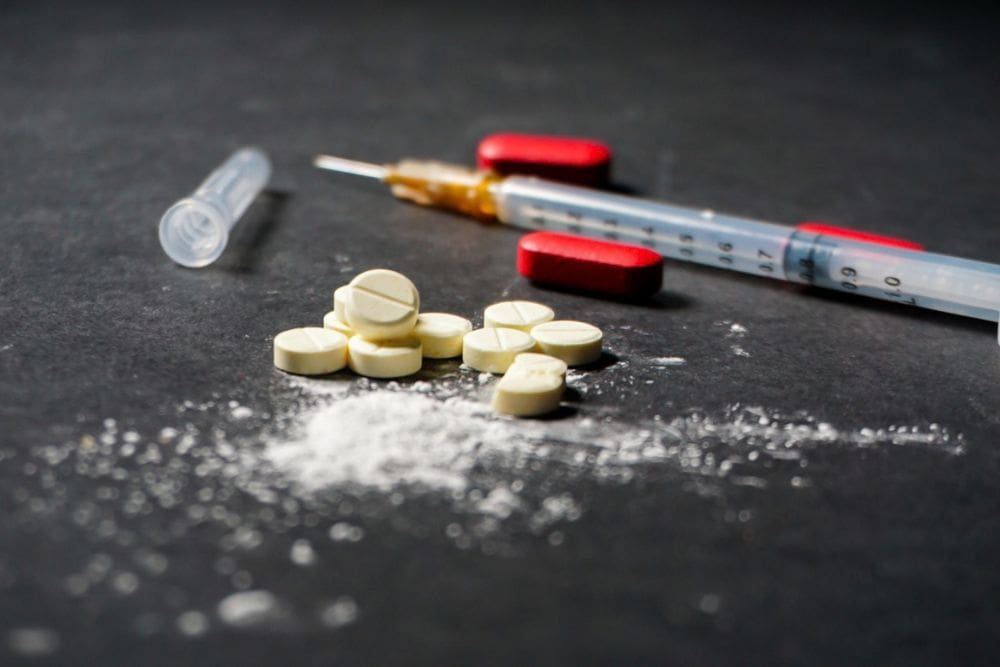
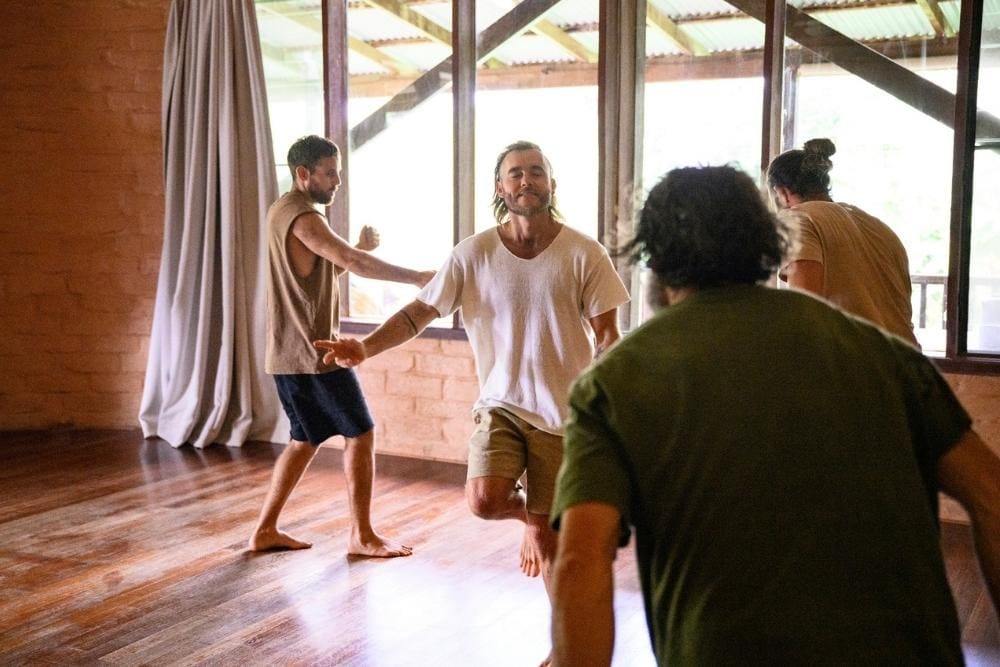
Are we busting a move, or are we about to take a trip with ayahuasca?
It’s a trick question—we’re really just learning the difference between therapeutic dancing and the medicinal use of DMT, a trippy substance that shouldn’t be taken lightly—or literally—especially without supervision.
What Is DMT?
Well, it depends on who you ask and what therapy you’re engaging in.
At the moment, there could be several different DMT acronyms floating around on the internet. In a recovery context, the most common abbreviations can refer to Dance Movement Therapy (DMT) or therapeutic approaches that involve the psychedelic substance 5-methoxy-N,-N-dimethyltryptamine (5-MeO-DMT) or DMT for short.
Let’s break down each to get a sense of how they can impact your success in treatment.
Dance Movement Therapy
Let’s start with the more mainstream idea of DMT: Dance Movement Therapy. According to VeryWellMind, DMT is simply the use of movement to help improve your mental health. It combines movement, nonverbal communication, and talk therapy to address behavioral and emotional issues.
But the actual mechanisms of the therapy could be seen as intricate, since DMT can help with different physical, emotional, social, and even cognitive pain points you might experience in recovery in these ways:
- Could help you connect the dots between your physical movements and your emotions.
- May make you more aware of your breathing or help you practice mindfulness during stressful situations.
- Might encourage you to express yourself, or process and regulate emotions that the dance movements may bring up.
- Can help you develop more empathy, especially if you’re engaging in what therapists call the mirroring technique, where you partner up and try to copy the other person’s dance movement.
DMT can touch on so many bases in recovery for substances. On a physical level, it can improve your strength and circulation. You’re up, moving, and even sweating if you’re really giving it your all. And dancing, especially when you’re practicing the same routines, can improve your coordination and cut down on muscle tension.
On a psychological level, clients suffering from depression and anxiety may find that dancing rewards their brain with feel-good hormones, helping reduce their anxious or sad symptoms.
Interestingly enough, on a neurological level, researchers at Harvard even consider dance as a form of what’s called rhythmic auditory stimulation (RAS). That’s when you try to align your movements with a rhythm you can hear. If you’re in recovery and you also happen to have Parkinson’s disease, completing RAS-involved activities can actually help your symptoms.
Psychedelic DMT Therapy
When they’re used in a controlled, supervised, supplemental manner, psychedelics have proven helpful for people with depression and anxiety. Medical experts at Johns Hopkins confirm this.
But not all psychedelics are created equal.
According to WebMD, DMT comes from plants and animals, and it alters your perception by:
- Making you see or hear things that aren’t there or distorting how your body looks to you
- Triggering out-of-body, spiritual, or deeply emotional experiences
- Changing your mood—sometimes to one of intense euphoria
- Creating heightened bodily sensitivity that can translate to pain, tingles, or warmth
- Unlocking hidden or repressed memories
All of these perception-altering effects can seem overwhelming, frightening, or even addictive to different people. While its power is truthfully amazing, DMT is not a substance you should be experimenting with on your own in recovery. We don’t offer it as a therapeutic supplement at St. Gregory Recovery Center, but we do recognize emerging research indicating its efficacy for some people in recovery.
Here are some scientific findings that might tell us why DMT can be so effective:
- People who use substances to cope with depression may find rapid relief with DMT.
- Clients who want to enhance their insights into their behavioral and thought patterns—those of us in cognitive behavioral therapy—might see real results with DMT.
- Individuals in treatment who are struggling to process painful emotions or traumatic events might see breakthroughs when engaging in DMT therapy.
Of course, you should never take DMT unless it’s under medical supervision. That said, if you have questions about it, feel free to ask your recovery care team.
Enter Recovery Therapy in Iowa With St. Gregory Recovery Center
St. Gregory Recovery Center in Iowa has an outpatient location in Des Moines and a residential treatment facility in Bayard, IA. At both centers, we offer numerous forms of evidence-based therapy that can support you in recovery as you build a substance-free life.
We can’t yet offer DMT-assisted therapy or dance movement therapy, but with more research, those services could one day be available. In the meantime, we can improvise on-site forms of dance therapy.
Please contact us today to learn more, ask questions, and receive resources that can enrich your recovery.