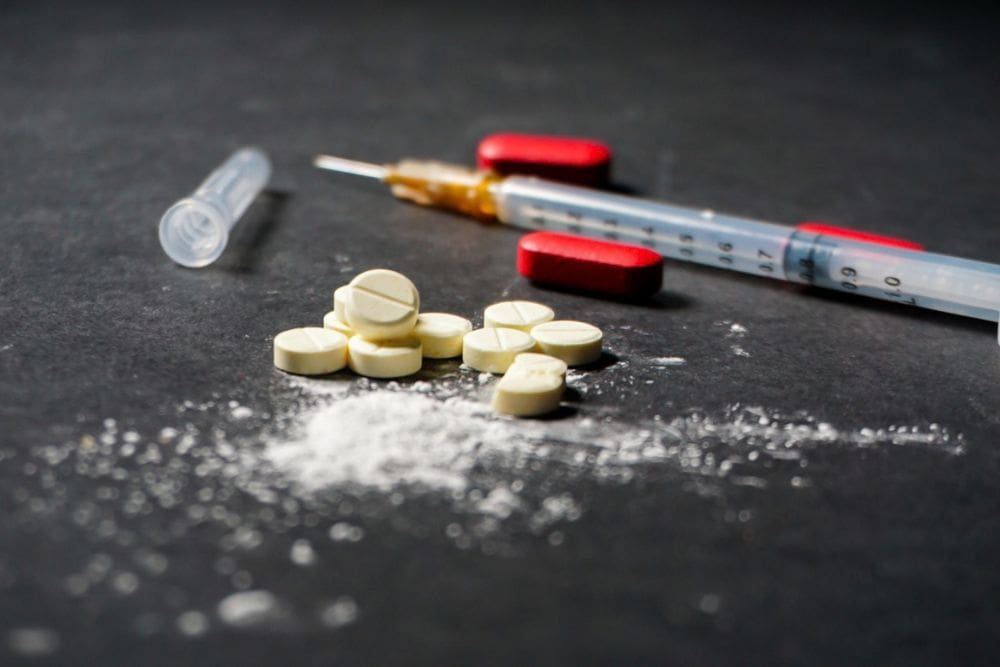

People can use substances in different ways, from swallowing a pill and smoking to inhaling or injecting them directly with needles. According to the Minnesota Department of Health (MSD), when you inject substances, their effects hit faster and feel stronger, leading to a more intense—and more addictive—high.
Over time, repeated injections can leave behind small but noticeable changes on the skin called track marks. You might see faint lines of tiny dark dots or patches that look irritated or discolored. They can feel scary to notice, whether you see them on yourself or someone you care about. Still, these marks don’t always mean someone currently uses drugs.
Let’s talk about what these marks are, who typically gets them, what substances people often tend to inject, and how you can help damaged skin heal.
What Are Track Marks From Intravenous Drug Use?
Track marks look like tiny, dark puncture points surrounded by darker or discolored skin. They can form along a vein after repeated intravenous injections if someone suffers from substance use disorder (SUD). People often start with their forearms, and when those veins collapse, get irritated, or scar, they may move to the thigh, neck, armpits, or feet.
When drugs are habitually injected, they can cause poor blood flow, along with:
- Skin sores from injecting under the skin: These can look like circular scars or ulcers and may take time to heal.
- Thick scar tissue around the elbow: Repeated punctures can replace healthy muscle with hardened tissue.
- Infections: Injecting drugs often means higher risks of hepatitis, MRSA, syphilis, or HIV, especially when you share needles.
- Overdose risk: Chances of overdosing can also increase if someone hasn’t used for a while and then injects, since tolerance may drop in the meantime.
The more visible the track marks, the more someone may try to cover them with long sleeves, makeup, or tattoos, or explain them away as bug bites or blood donation scars. But, health care providers sometimes still look for or notice them during a physical exam. You might even notice them accidentally on a loved one.
If you notice them on yourself or a loved one and know that substances are the cause, you can be evaluated for infectious diseases and other complications. You can also enter residential treatment in Bayard, IA, with us and receive therapy. Or, depending on the substance, you can get medications to help reduce cravings.
If treatment isn’t an option, you can practice harm reduction efforts, like accessing clean needles to reduce the spread of infections.
What Are the Most Common Injectable Substances?
Common injectable substances often include:
- Opioids: Like fentanyl, heroin, or prescription meds. These can trigger strong waves of relief or euphoria, leading to more injections.
- Stimulants: like cocaine or meth. These can produce bursts of energy and alertness that some people chase.
- Prescription medications: When misused and injected, they can amplify focus in risky ways.
Injection patterns can shift over time. For example, you may inject smaller amounts throughout the day for a steadier high. Or you might wait until withdrawal symptoms begin, then inject for a stronger sense of relief.
How to Help Track Marks Heal
If someone has track marks or related skin injuries, careful wound care may help make scars less visible over time. The American Academy of Dermatology has some tips for caring for scars (be sure to see a doctor first and wait until any active infections clear before trying to treat your scars).
You can try to:
- Wash the area every day with mild soap and water: Clean skin may reduce infection risk and support healing.
- Apply gentle, doc-approved moisturizing creams or gels: Moist wounds usually heal better than dry, scabbed ones.
- Cover with a bandage: A clean covering can protect the area during the healing process.
- Change dressings daily if you have them: Fresh bandages can help keep open wounds clean.
- Use sunscreen after healing: SPF 30 or higher may reduce discoloration and help scars fade.
Get Treatment For Intravenous Drug Use in Iowa With St. Gregory Recovery Center
Track marks can tell part of your or a loved one’s story, but they don’t define the future. They might reflect current use, past use, or a chapter you want to close. And you deserve care that considers you, not just your past and the scars it may have left.
At St. Gregory Recovery Center in Iowa, you can find counseling, medical support, and a community that understands how intravenous drug use affects both body and mind. If you feel ready, contacting us could be your first step toward something steadier and safer in Des Moines.